
About Bowel Cancer
What are some of the symptoms of bowel and colorectal cancers?

Early onset bowel cancer – a growing risk
Screening
How can I screen for Bowel and Colorectal Cancers?
Bowel cancer screening methods like the FIT test and colonoscopy are vital tools for early detection. If you’re over 45 and have no symptoms, you should ask your GP about screening every year. And if you have sustained symptoms at any age, you will need to advocate for screening.
In Ireland, the Bowel Screen programme offers free FIT tests to people aged 59 to 69 every two years. If abnormalities are found, a free colonoscopy is then arranged to check for bowel cancer and remove pre-cancerous polyps.
The FIT (Faecal Immunochemical Test) works by detecting hidden blood in your stool, which could indicate bowel cancer or polyps. It’s a simple at-home test, non-invasive, and can identify early signs of trouble. If the FIT test shows abnormalities, a colonoscopy is often the next step.
If you are too young for the BowelScreen programme, ask your GP to arrange a FIT test if you have any concerns, at any age. You can also arrange your own FIT test by using one of several private services offering this screening test.
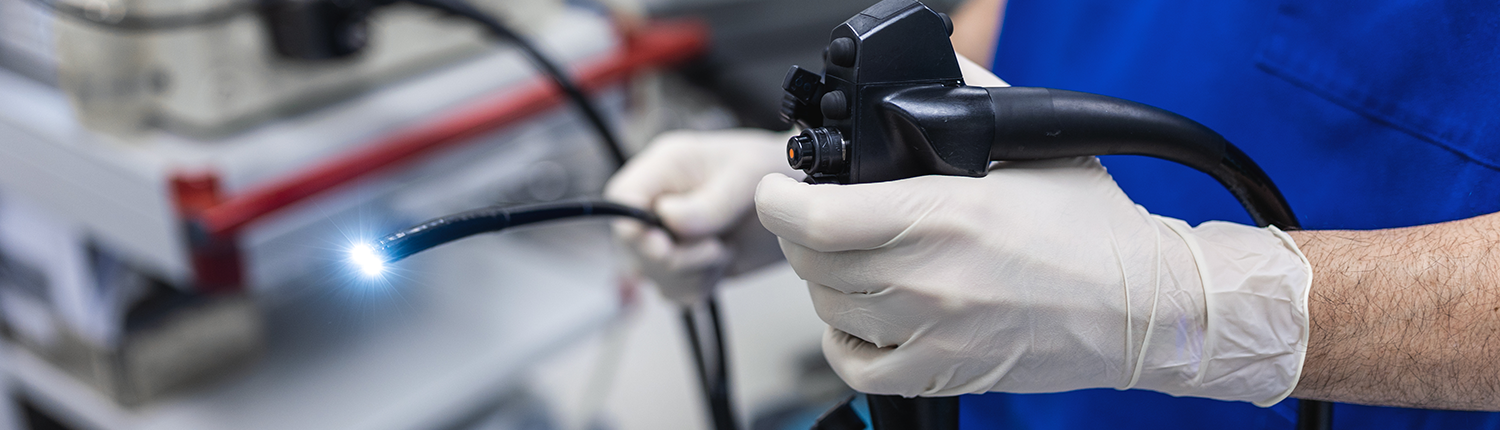
A colonoscopy is more comprehensive—it allows a doctor to directly examine the inside of your colon and rectum for any signs of cancer or polyps. Importantly, during a colonoscopy, the doctor can remove pre-cancerous polyps before they develop into cancer, offering a preventive benefit that the FIT test alone cannot provide. This combination of early detection and intervention can significantly reduce the risk of bowel cancer. Unless you are referred by the Bowel Screen programme, you will need a referral from your GP for a colonoscopy.